-
A practical guide to the core data science skills worth building alongside ERP knowledge, covering programming, statistics, and tools, and how combining both creates a distinctive, high-value career profile
-
An honest look at whether Salesforce Marketing Cloud certification is worth pursuing in 2026, covering what the platform does, certification tracks, skills gained, career prospects, and how to decide if it fits your goals
-
A practical guide to SAP EWM training covering what the module does, core warehouse processes, integration with MM and automation systems, who should learn it, and the career path for warehouse logistics consultants
-
Have a 1 to 5 year career gap? Learn if SAP FICO Training fits your background, how to explain the gap, and a simple step plan to re-enter finance
-
A complete guide to SAP Basis administration covering what the role involves, day-to-day responsibilities, key skills and tools, the transition to S/4HANA and cloud operations, and the career path for beginners
-
A beginner-friendly guide to SAP GRC training covering what governance, risk and compliance means in SAP, the core components, segregation of duties, who should learn it, and the career path for GRC consultants
-
A complete beginner-friendly guide to SAP S/4HANA covering what it is, how it differs from SAP ECC, its architecture, key modules, deployment options, and career opportunities for those learning it
-
A complete walkthrough of SAP SuccessFactors Employee Central covering what it does, its core building blocks, key processes, integration with other SuccessFactors modules, and career opportunities for learners
-
A practical comparison of SAP Analytics Cloud against traditional business intelligence tools, covering architecture, data connectivity, planning capabilities, learning curve, and which option fits different organizational needs
-
A practical comparison of the Salesforce Administrator and Salesforce Developer career paths covering daily work, skills, tools, certifications, and how to decide which one fits your background and goals
-
A detailed comparison of data science and SAP analytics career paths, covering the skills, tools, salary expectations, and how professionals can combine both for a stronger long-term career
-
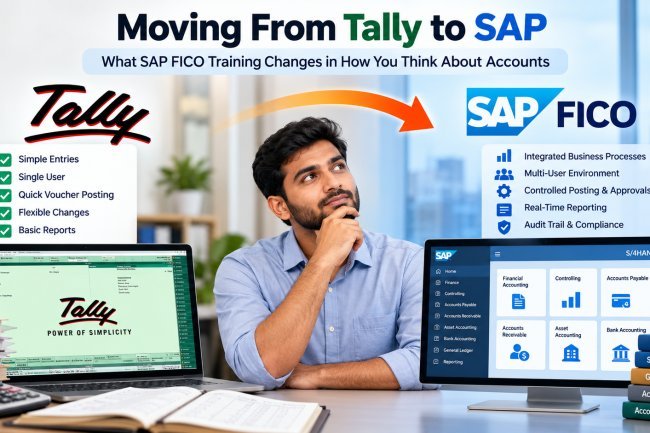
Moving from Tally to SAP? See which skills carry over, which Tally habits to unlearn, and how SAP FICO training changes the way you handle accounts.
-
A practical guide to Workday integration training covering what integrations do, the main integration tools such as EIB, Core Connectors and Studio, common use cases, who should learn it, and the career path for Workday integration consultants
-
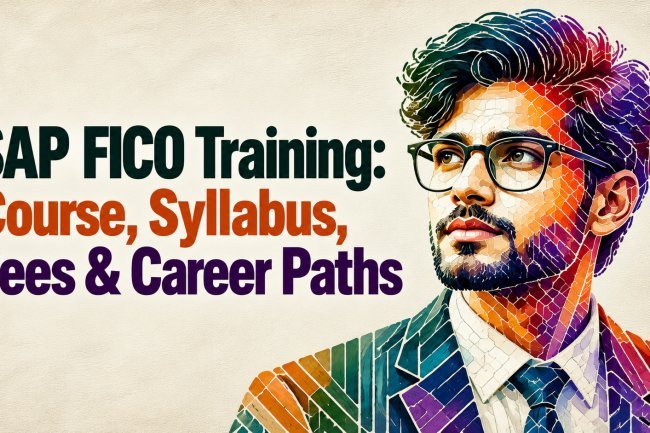
Planning FICO SAP training? See the SAP FICO syllabus, certification exams, fees to check and finance career roles before you enroll.
-
A beginner-friendly guide to SAP Fiori training covering what Fiori is, its design principles, core app types, UI5 development basics, who should learn it, and the career path for Fiori and UX specialists
-
An honest assessment of whether SAP training is worth it in 2026, covering current demand drivers, realistic career outcomes, costs versus return, and how to evaluate whether it fits your specific situation
-
A beginner-friendly guide to SAP Ariba training covering what the platform does, its core modules, how it differs from SAP MM, the skills you gain, and the career path for procurement consultants
-
A practical guide to the SAP SD course covering the order-to-cash cycle, master data, pricing, integration with other modules, and the career path for SAP SD consultants
-
A complete 2026 guide to graph algorithms for placement interviews — BFS, DFS, the most-asked problems with approach, common mistakes, and a practice roadmap from PlacementBaba
-
A beginner-friendly guide to SAP BTP training covering what the platform does, its core services, the clean core philosophy, who should learn it, and the career path for BTP consultants and developers
-
A complete beginner-friendly guide to Salesforce CPQ covering what it does, how the configure-price-quote process works, key features, career opportunities, and how to start learning it
-
A practical guide to the SAP QM course covering what the module does, core quality processes, integration with other SAP modules, who should learn it, and the career path for quality management consultants
-
A clear comparison of SAP S/4HANA and SAP ECC covering architecture, database, user interface, data model, migration approaches, and what the difference means for consultants and learners today
-
Thinking about IBP SAP training? A planner's guide to SAP IBP modules, course content, C_IBP certification and supply chain careers.
-
A beginner-friendly guide to SAP ABAP training covering what ABAP is, the tools and syllabus you will work with, key programming concepts, job roles, and how to start a career in SAP development
-
A complete guide to SAP MM training covering what the module does, key processes, integration with other SAP modules, the skills you gain, certification path, and a step-by-step career roadmap for beginners
-
A clear, simple explanation of the differences between HRMS, HCM, and HRIS systems, covering what each term means, how they overlap, popular platforms in each category, and which skills to learn depending on your career goals
-
A complete overview of a Workday Financial Management course covering core modules, key concepts, how it integrates with Workday HCM, career roles, and the certification path for beginners
-
A complete guide to Workday HCM training covering what the platform does, its core modules, the skills you gain, career paths, certification, and how to get started as a beginner
-
A complete guide to Workday Payroll training covering what the module does, core processes, how it integrates with Workday HCM, who should learn it, and the career path for payroll consultants
-
A module-wise breakdown of SAP consultant salaries in India for 2026, covering pay by experience level, by module (FICO, MM, SD, ABAP, S/4HANA), by city, and what actually drives salary growth in this field
-
A practical guide to SAP PP training covering what the module does, its core processes, who benefits most from learning it, integration with other SAP modules, and the career path for production planning consultants
-
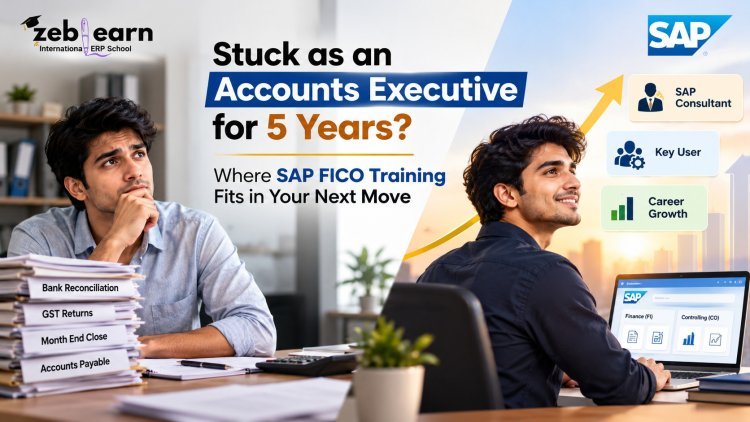
A complete guide to SAP FICO training covering the Financial Accounting and Controlling modules, a typical syllabus, enterprise structure basics, S/4HANA changes, who should learn it, and the career scope for FICO consultants
-
A practical roadmap through the Salesforce certification landscape covering the main certification tracks, which one to start with based on your background, and how to sequence certifications for career growth
-
A ranked look at the ten most in-demand SAP modules for 2026, covering why each one is trending, what it involves, and who should consider learning it